School readiness evaluations are assessments designed to evaluate a child’s readiness to enter Grade 1. These assessments can provide valuable information about a child’s development and can help identify areas where additional support may be needed. The evaluations typically cover a range of skills, including language development, cognitive abilities, social, and motor skills.
During a school readiness evaluation, an educational psychologist will work with the child to assess their abilities across a range of domains. The evaluation may include standardised neuropsychological tests like the NEPSY II, observations and interviews with parents, teachers or caregivers. The results of the evaluation can be used to create a personalised plan for the child, with tailor-made exercises that can be followed by parents at home. Further recommendations for interventions, or additional support services will also be included in the report.
School readiness evaluations can be an essential tool for parents and educators as they work to support young children’s development. By identifying areas of strength and areas where a child may need additional support, parents and educators can work together to create a positive and supportive learning environment that meets the child’s individual needs. I
Full learning/scholastic evaluations
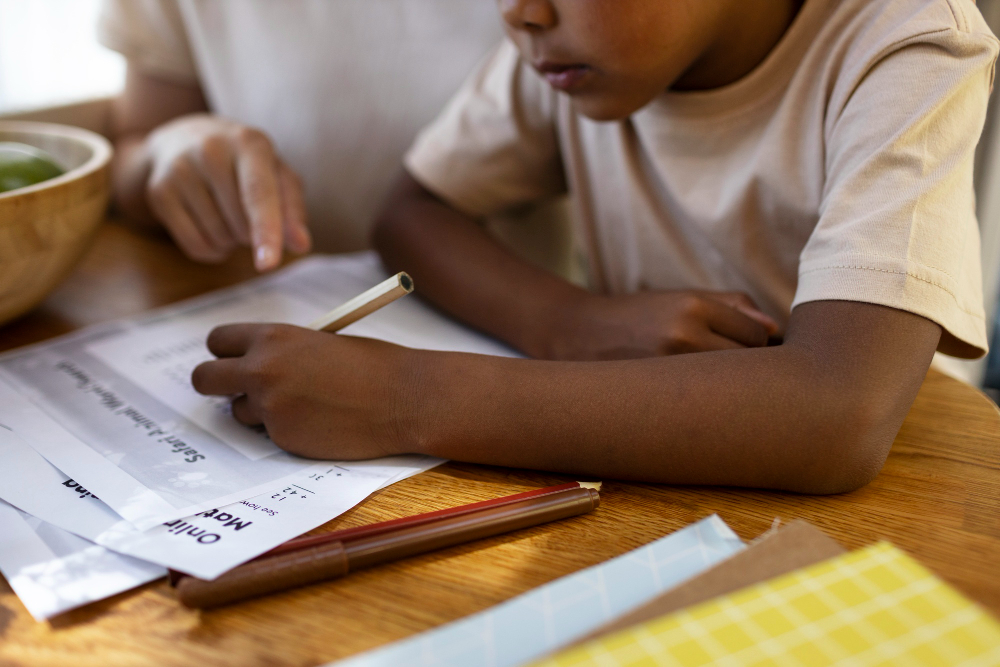
Full learning or scholastic evaluations are comprehensive assessments designed to evaluate a child’s overall learning and academic performance. These evaluations typically cover a range of areas, including cognitive abilities, language and literacy skills (reading), writing and mathematics. They can help identify specific areas of strength and challenge, as well as any learning disabilities or other conditions that may be impacting the child’s academic performance.
During a full learning evaluation, an educational psychologist will use a range of assessment tools, including standardised tests, interviews and observations, to gather information about the child’s learning and academic performance. Based on the results of the evaluation, the educational psychologist will provide a detailed report that includes recommendations for interventions and accommodations, as well as strategies for parents and educators to support the child’s learning and academic success.
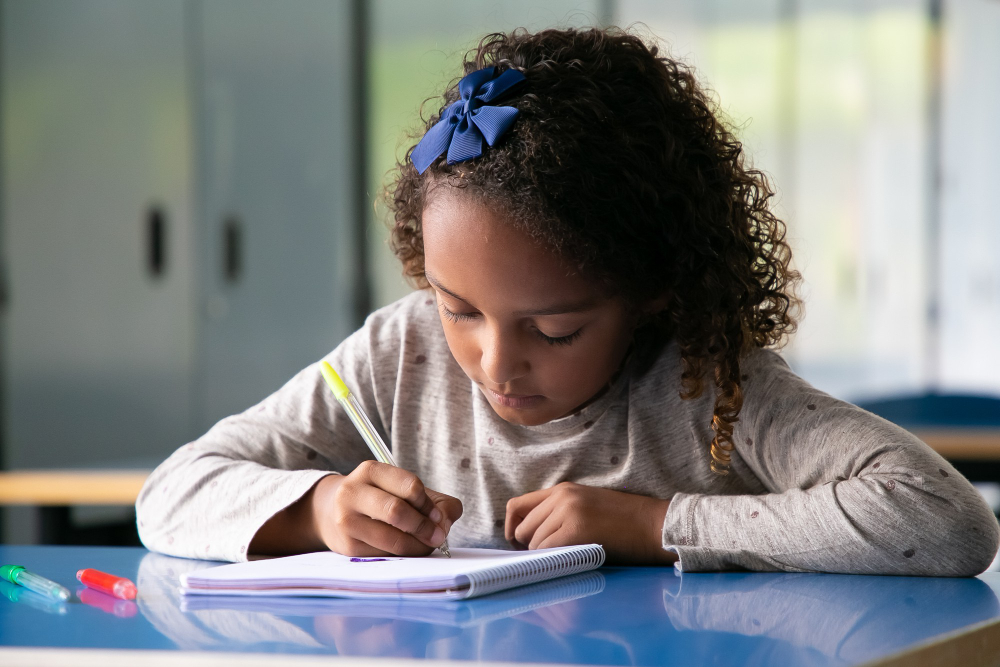
Full learning evaluations can be an essential tool for parents and educators as they work to support a child’s academic development. By identifying areas of strength and challenge and providing targeted interventions and accommodations, parents and educators can help the child overcome obstacles and reach their full potential.
Evaluations for special concessions and/or accommodations
Evaluations for special concessions and/or accommodations are assessments designed to evaluate a child’s eligibility for accommodations and/or concessions to support their learning and academic success. These evaluations are typically conducted for learners who have a diagnosed disability or finds it difficult to learn and perform in an academic setting despite an average to above average IQ score. The goal of these evaluations is to determine the specific accommodations or concessions that will support the learner’s learning and academic success.
During an evaluation for special concessions, an educational psychologist will gather information about the learner’s academic performance, learning strengths and challenges and any diagnosed disabilities or conditions. Standardised testing will be done. Based on this information, the educational psychologist will write a comprehensive report. This report, as well as supporting documentation, must be submitted to the Department of Education when applying for concessions and/or accommodations. These accommodations may include extra time on tests, assistive technology, modified assignments, or other accommodations specific to the learner’s needs.
Evaluations for special concessions can be an essential tool for parents and educators as they work to support a learner’s academic success.

Evaluations for specific barriers to learning
During an evaluation for specific barriers to learning, an educational psychologist will gather information about the child’s academic performance, learning strengths and challenges and any factors that may be impacting their ability to learn. This may include assessments of cognitive abilities, language and literacy skills, executive function and attention. The educational psychologist will then use this information to develop a personalised plan for the child, which may include targeted interventions and accommodations specific to the child’s needs.
Evaluations for specific barriers to learning can be an essential tool for parents and educators as they work to support a child’s academic success. By identifying the specific barriers to learning and developing targeted interventions to address those barriers, parents and educators can help the child overcome obstacles and reach their full potential.

Subject choice / career assessments
Career assessments are formal assessments conducted by a registered educational psychologist to assist learners with subject choice and career assessments. A learner’s accurate understanding of his or her strengths, interests, abilities and talents across life roles provides the foundation for career exploration.
Subject choice assessments are designed to help learners select the subjects that best align with their interests, skills, personality and career goals. Career assessments, on the other hand, can help learners explore different career paths and identify the skills and qualifications needed to pursue those careers.
During a subject choice or career assessment, an educational psychologist will work with the learner to identify their interests, skills, personality and talents. This may involve standardised tests, that identify aptitude, personality and interests as well as interviews and assessments of the learner’s academic performance and extracurricular activities. The Tall Trees Leadership Profile® developed by Hettie Brittz is also used to identify the unique temperament of each learner. Based on this information, the educational psychologist can provide guidance and recommendations to help the learner select the subjects or career paths that best align with their strengths and interests.

Subject choice and career assessments can be valuable tools for learners as they navigate the transition from high school to college or the workforce. By identifying their strengths and interests and exploring different career paths, learners can make informed decisions about their future.A learner’s accurate understanding of his or her strengths, interests, abilities and talents across life roles provides the foundation for career exploration.
Neuropsychological evaluations
Educational psychologists who specialise in neuropsychology can play a critical role in conducting neuropsychological assessments for children and adolescents. Neuropsychological evaluations are comprehensive assessments designed to assess a child’s cognitive, academic and behavioural functioning and identify any underlying neurodevelopmental or neurological conditions.
During a neuropsychological assessment, the educational psychologist will use a battery of standardised tests and assessments to evaluate the child’s cognitive functioning, executive functioning, motor functions, processing speed, attention and concentration, speech and language, visuospatial abilities, memory and new learning abilities as well as academic achievement. Based on the results of the assessment, the educational psychologist can identify underlying neurodevelopmental or neurological conditions, such as ADHD, learning disabilities or autism spectrum disorder, that may be impacting the child’s academic and behavioural functioning.

Neuropsychological evaluations can be critical in helping parents, educators and healthcare professionals develop targeted interventions and accommodations to support the child’s academic and behavioural success. These assessments can also help parents and educators to better understand the child’s strengths and challenges and provide insights into how to best support the child’s learning and development.
Counselling therapy
Educational psychologists may also provide counselling therapy services to children, adolescents and their families. Counselling therapy can help children and adolescents navigate a range of emotional and behavioural issues, including anxiety, depression, stress, trauma, self-esteem issues and social difficulties.
During counselling therapy, the educational psychologist will work with the child or adolescent to identify the underlying issues impacting their emotional and behavioural functioning. This may involve assessments, interviews and discussions to help the child or adolescent better understand their emotions and develop strategies to cope with stressors and challenges.
Counselling therapy can be an essential tool for children and adolescents as they navigate the complex emotional and social landscape of childhood and adolescence. By providing a safe and supportive environment for children and adolescents to explore their emotions and develop coping strategies, counselling therapy can help children and adolescents build resilience and develop healthy emotional and behavioural habits that will serve them well throughout their lives.